Does NICE guidance control whether I can get medical cannabis?
Short answer: no—not by itself. NICE guidance influences how NHS clinicians assess cannabis-based medicinal products, but it does not grant or cancel your legal right to a prescription. Access depends on several separate things: the UK prescribing rules, whether a specialist thinks treatment is clinically appropriate, the evidence for your condition, and whether an NHS service or private clinic is willing to provide and monitor care.
It helps to clarify what “legal” means here. The rules differ for possession, prescribing and the supply chain. A prescription for a cannabis-based medicine does not make recreational cannabis legal, allow you to prescribe it to yourself, or automatically authorize you to import products from another country.
What changed in 2018?
On 1 November 2018, the UK rescheduled certain cannabis-based products for medicinal use in humans (CBPMs) from Schedule 1 to Schedule 2 under the Misuse of Drugs Regulations 2001. Schedule 1 substances are generally regarded as having no recognized medicinal use and are subject to stringent restrictions. Schedule 2 includes controlled drugs that can be prescribed under specific rules.
The change made it possible for an appropriately qualified specialist doctor to prescribe a CBPM in defined circumstances. It did not legalize recreational cannabis, make cannabis available over the counter, or create a general right to receive treatment. The prescribing framework remains restrictive, and the product must meet the relevant definition of a CBPM and enter the UK through a lawful supply chain.
That distinction matters because “medical cannabis” is often used as a broad phrase. Products differ in composition, licensing status, evidence and route of administration. A prescription is for a specific product and treatment plan, not permission to use any cannabis product you can obtain.
What does NICE guidance do?
NICE—the National Institute for Health and Care Excellence—publishes recommendations for health and care in England. Its guideline on cannabis-based medicinal products, NG144, was published in November 2019. It describes when clinicians should consider certain products, what evidence supports them, and what monitoring may be needed.
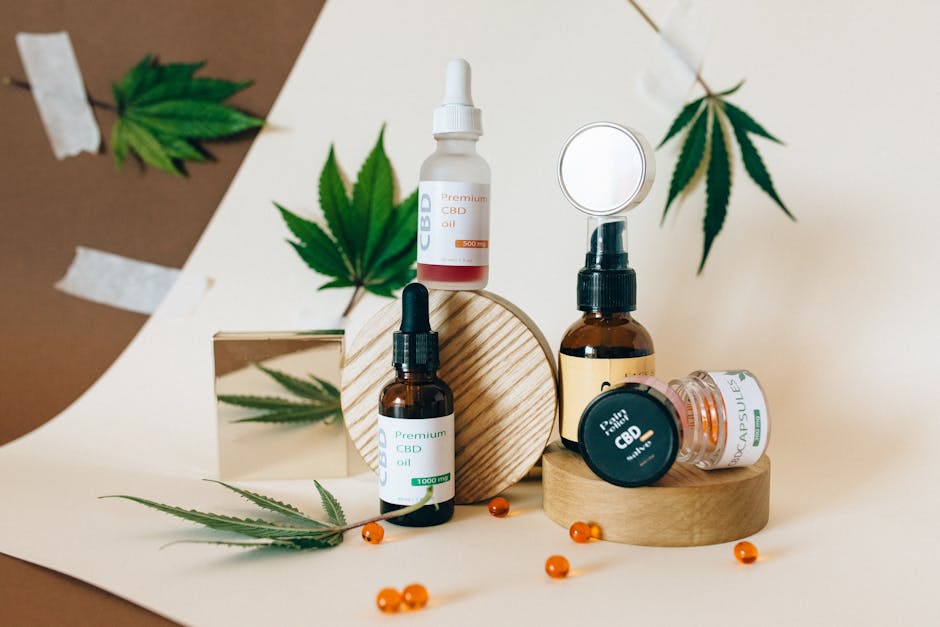
NICE guidance is important, but it is not the same thing as legislation, an individual clinical decision, or a guarantee that a local NHS service will fund treatment. It helps shape NHS practice and commissioning. A doctor still has to judge whether treatment is suitable for the person in front of them, and NHS services have to work within their commissioning arrangements and resources.
NG144 makes recommendations for particular circumstances and products. For example, NICE recommends cannabidiol (Epidyolex) for some people with specified severe forms of epilepsy, subject to the guideline’s criteria. It recommends considering nabiximols (Sativex) for some adults with moderate to severe spasticity from multiple sclerosis when other treatments have not worked and a trial shows sufficient benefit. NICE also recommends against using certain products for some conditions outside a clinical trial, based on the evidence it assessed.
These recommendations should not be simplified into “NICE says cannabis is allowed” or “NICE bans medical cannabis.” NICE assesses evidence and makes recommendations; it does not write the controlled-drug law or decide every person’s eligibility. Nor does a recommendation for one product and condition mean that another cannabis product will be funded or prescribed for the same condition.

Who can prescribe?
Under the UK framework, a CBPM must be prescribed by a specialist doctor on the General Medical Council (GMC) Specialist Register. The specialist must consider the available evidence, the patient’s circumstances and the potential benefits and risks. In practice, this means that a GP cannot start a cannabis-based medicine prescription just because a patient asks for one.
A GP may sometimes be involved after a specialist has initiated treatment—for example, through an agreed shared-care arrangement—but the GP is not obliged to take on prescribing or monitoring. If your GP declines shared care, that does not necessarily mean your treatment is unlawful or that you have done something wrong. It may mean the specialist or clinic needs to continue managing your care, or that a different local arrangement is required.
Specialist-only prescribing is a safeguard, not a promise of access. A doctor may decide that the evidence is too limited, that other treatments should be tried first, or that the risks outweigh the likely benefit. A clinic may also decide that it cannot safely take on a patient’s care.
NHS prescribing: limited in practice
NHS prescribing is limited. Some licensed medicines have specific NICE recommendations, but NHS access to other CBPMs can be difficult. The reasons may include limited evidence, uncertainty about long-term benefits and risks, the need for specialist oversight, local commissioning decisions, and the practical challenge of arranging ongoing monitoring.
There is a difference between a treatment being legally prescribable and being routinely available on the NHS. Even where an NHS specialist can legally consider a product, that does not mean the relevant service will fund it. NICE recommendations can support access in the circumstances they cover, but they do not automatically settle every funding or eligibility question.
If you are asking through the NHS, useful questions include:
- Does the NICE recommendation cover my diagnosis and the specific product being considered?
- Has an NHS specialist reviewed my case, or am I still waiting for specialist assessment?
- What other treatments should be tried first, and why?
- If a prescription is not being offered, is the reason clinical, commissioning-related, or both?
- Is there a local pathway, specialist service or clinical trial that may be relevant?
Where you disagree with a decision, ask for the clinical reasoning in writing. You can use the NHS complaints process to raise concerns about care or how a decision was handled. A complaint will not guarantee a prescription, but it can help clarify which decision was made and by whom.
The private clinic route
Some patients explore the private clinic route when NHS treatment is unavailable, delayed or not considered appropriate for their circumstances. Private clinics may assess people for products that are not routinely prescribed on the NHS, but they still have to follow the same controlled-drug prescribing rules. The prescriber must be an appropriately qualified specialist, and the clinic must make an independent clinical decision.
Private assessment is not a shortcut to a guaranteed prescription. A responsible clinic should review your medical history, previous treatments, current medicines and relevant records; explain possible risks and uncertainties; and set out how follow-up and monitoring will work. It may decline to prescribe, recommend another option, or ask for more information from your existing clinicians.
Before booking, check the total likely cost rather than focusing only on the first consultation. Ask about assessment fees, repeat consultations, prescription charges, product costs, delivery, monitoring and what happens if treatment is changed or stopped. Prices vary by clinic, product and dose, so there is no single reliable figure that applies to everyone.
Releaf is one example of a private provider patients may encounter while researching UK access. That is not an endorsement or a recommendation to use it. As with any provider, check its current clinical process, fees, follow-up arrangements and the qualifications of the clinicians involved before deciding whether to book.
Using online research tools carefully
Patient reviews can be useful for learning about communication, appointment processes and customer service, but they cannot establish whether a treatment is clinically appropriate. Trustpilot is one place to read reviews, including reviews of private healthcare providers. Look for patterns across recent reviews, note the number of reviews, and remember that reviews may reflect individual experiences rather than typical outcomes.
SimilarWeb can help you estimate how much web traffic a company receives and where visitors may come from. It does not verify clinical quality, prescribing standards, patient outcomes or regulatory compliance. Treat it as a website-research tool, not a healthcare accreditation service.
If you have a concern about a solicitor’s conduct or need advice about a legal dispute involving a clinic or treatment, Irwin Mitchell solicitors is one firm people may research. Discover more For a legal question, check that any solicitor you contact is qualified to advise on the specific issue. A solicitor cannot replace a specialist’s clinical judgment or make a doctor prescribe.
What remains illegal or restricted?
The 2018 change was narrow. The following points are important:
- Recreational use remains illegal. The change did not legalize cannabis for non-medical use.
- Self-prescribing is not permitted. Patients cannot write their own prescription or treat a non-prescribed cannabis product as if it were a prescribed medicine.
- Importing is not automatically authorized. A UK prescription does not, by itself, give you permission to order cannabis products from overseas. Import and supply are subject to separate controls. Use the route arranged by a lawful UK prescriber and pharmacy, and get specialist legal advice before attempting any import.
- Possession depends on the circumstances. A valid prescription and lawful supply may authorize possession of the prescribed product. That does not authorize possession of unrelated cannabis or products obtained outside the prescribed supply chain.
- Smoking is not the same as vaping. The UK rules prohibit smoking CBPMs. Some prescribed products may be administered using a vaporiser in accordance with the prescription and clinical advice. Do not assume that rules or risks for smoking apply identically to vaporising, or that a prescription permits smoking cannabis.
If you are unsure whether a product you already have is lawful to possess, do not rely on a social-media post or a seller’s claims. Ask the prescribing specialist or a qualified legal adviser about the product, its source and the paperwork you have.
A practical checklist before seeking access
- Identify the question. Are you asking whether you can legally possess a prescribed product, whether a specialist may prescribe it, or whether a clinic can supply it?
- Check the clinical pathway. Ask your NHS specialist which treatments and NICE recommendations apply to your diagnosis.
- Confirm the prescriber’s status. If exploring private care, ask how the responsible doctor meets the specialist-prescribing requirements.
- Understand the supply chain. Ask who dispenses the medicine and how it is supplied lawfully in the UK.
- Get the full cost in writing. Include appointments, medicine, repeat prescriptions and follow-up.
- Plan for monitoring. Ask what benefits will be assessed, what side effects to watch for, and when treatment may be reviewed or stopped.
The bottom line
NICE guidance can strongly influence which cannabis-based medicines are considered in NHS care, but it does not control every access decision. The 2018 rescheduling created a narrow route for specialist prescribing; it did not make recreational cannabis legal or remove restrictions on prescribing, possession and supply.
For NHS care, access is limited and depends on the relevant evidence, specialist assessment and local arrangements. A private clinic may offer another assessment route, but it cannot promise a prescription or bypass the rules. If you are trying to understand your own position, separate the legal question—possession, prescription or supply—from the clinical question of whether a specialist believes a particular treatment is appropriate.